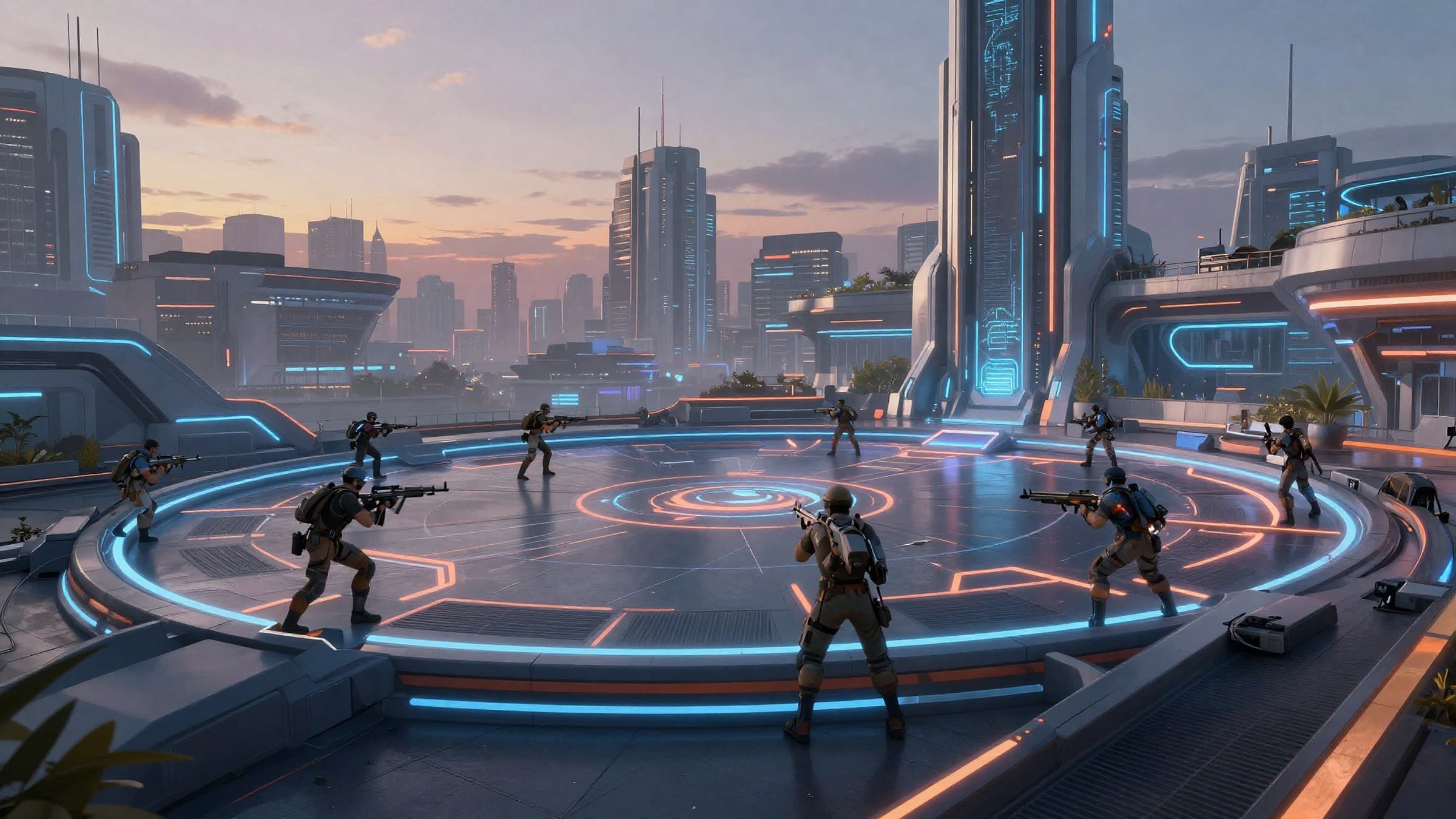
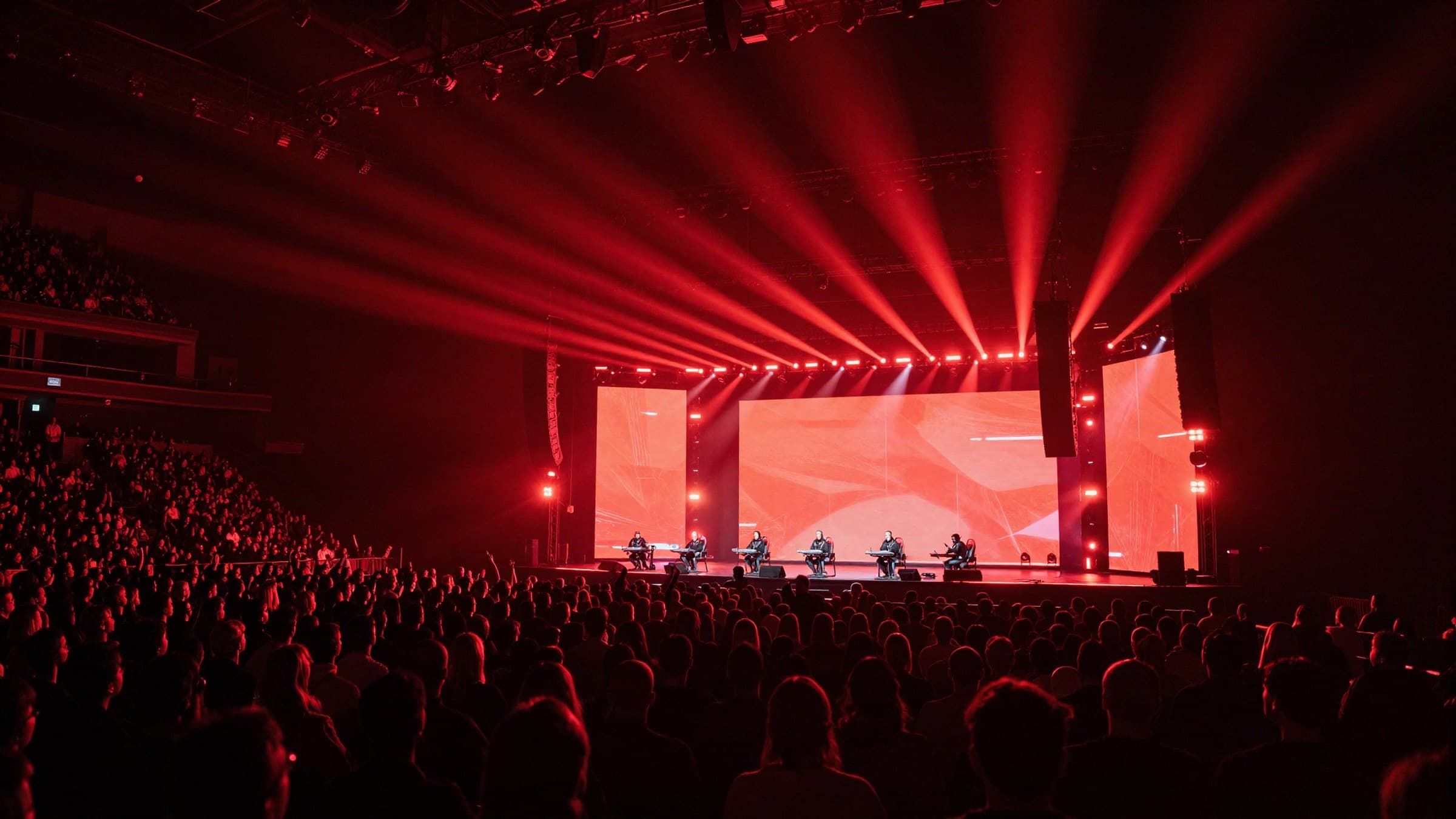
Nobody in the arena expected the grand finals to go five games. Fewer still expected the team that hadn't won a single international event in franchise history to be the one forcing it.
The draft that changed everything
Game three is where the series turned. Down a game and facing elimination in all but name, the underdog roster's coach made a call that had analysts on the broadcast desk visibly reacting in real time: a composition built entirely around forcing early skirmishes, sacrificing the late-game safety net every other team in the bracket had drafted around all week.
— the losing team's head coach, in the post-match press conferenceWe watched every game they played this tournament and none of them looked like that. That's the whole point — you can't scout a plan nobody's used yet.
By the numbers
- First-blood rate across the series: 4 of 5 games
- Average game length: 27 minutes, the shortest finals series in three years
- Peak concurrent viewership: just under 3.1 million
What it means going into next season
Roster stability has been the meta-defining theme of the last two competitive cycles. This result — a team assembled less than four months ago outplaying rosters that have been together for years — is going to change how organizations think about the value of continuity versus a fresh system built around a specific plan.
Expect at least two of the losing finalists' coaching staffs to be re-evaluated before the off-season transfer window opens.